When we buy climbing shoes, we pay great attention to their durability, especially if we are beginners making our first purchases or if we tend to "rough them up" in a particular way. The main areas of wear are obviously the sole, which we've already discussed in the dedicated post "When to Resole Climbing Shoes," but also the laces, the pull tabs for putting on the shoes, and the Velcro straps.
The type of climbing can also affect the level of wear: trad climbing, crack climbing in general, indoor climbing, and overhanging bouldering all lead to different points and levels of wear. It goes without saying that the first factor influencing the lifespan of the shoes is the frequency of use: we would expect different longevity between someone who has separate shoes for indoor and outdoor climbing, or someone who uses the same pair for warming up and for hard climbs.
The Sole
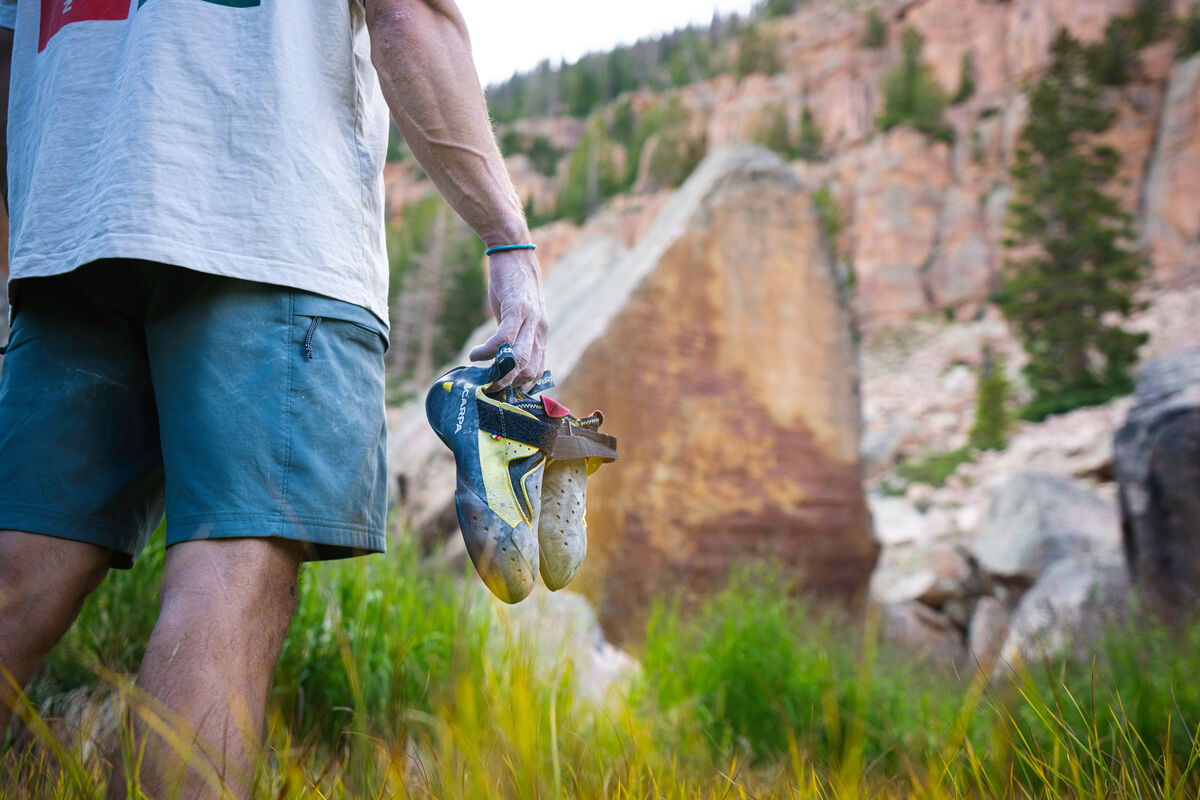
As mentioned, the sole is the first part of the shoe we inspect when trying to determine how many more months they'll last in our vertical endeavors. The areas where they are most worn also reveal a lot about our climbing style, which brings us to the next point.
The Upper
It's common to see climbing shoes with small holes in the front part of the upper, indicating three things: either we're training for the next Olympic Speed Climbing medal, where toe dragging against the wall happens a lot; we're avid boulderers who love toe hooks; or we're still in the early stages of climbing and rely on precise and clean footwork.
There aren't many ways to fix damage that has already progressed. However, if we notice a tendency to damage the area above the toes, we can consider a different model with rubber inserts on the upper part of the shoe, as is common in many bouldering-specific models. In a very general sense, we can recommend looking for a shoe made of microfiber for your next purchase.
Heel Tabs
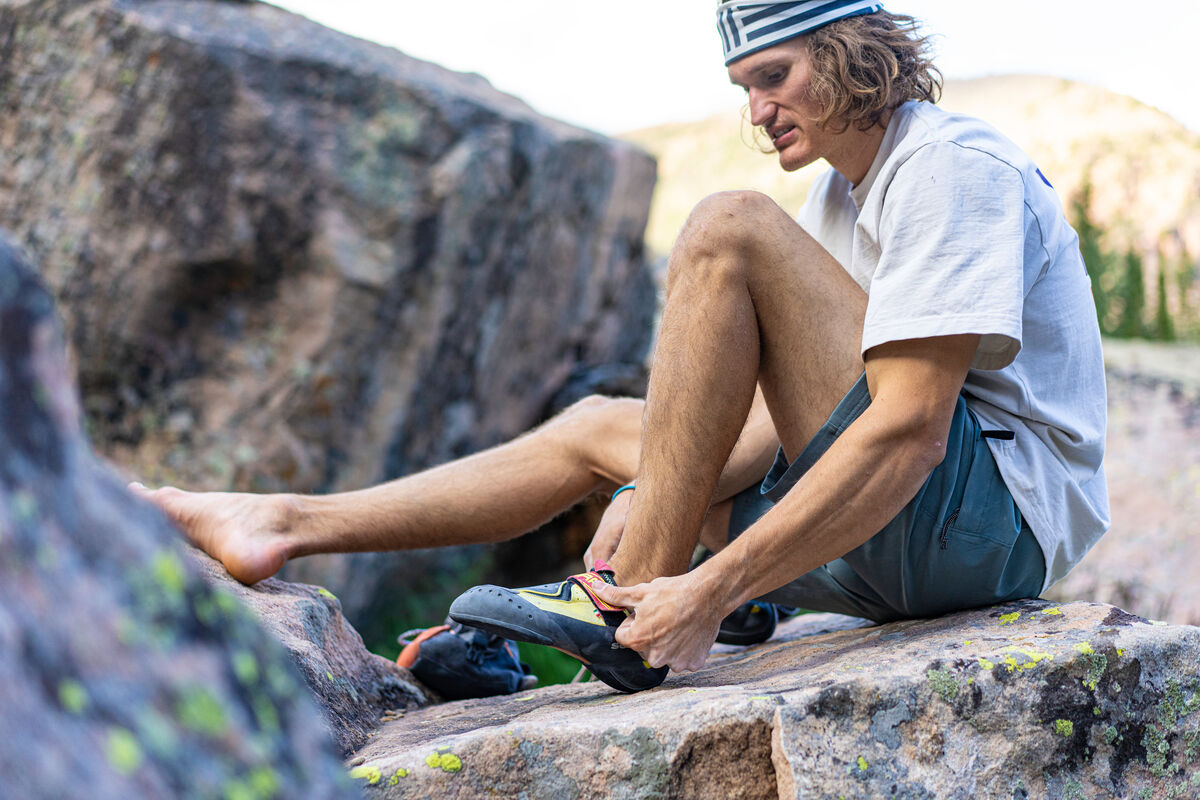
If you're one of those climbers who consistently tear the heel tabs used to easily slip on the shoes, you might consider two possibilities: first, the shoes may be slightly too small for your feet, making them difficult to put on. Second, perhaps you've been training on the hangboard too much, and the power generated by your fingers is too much for the fabric!
This problem has actually been reported by many climbers, and all new shoe models are now being designed with different stitching angles and generally improved resistance to tearing.
Laces
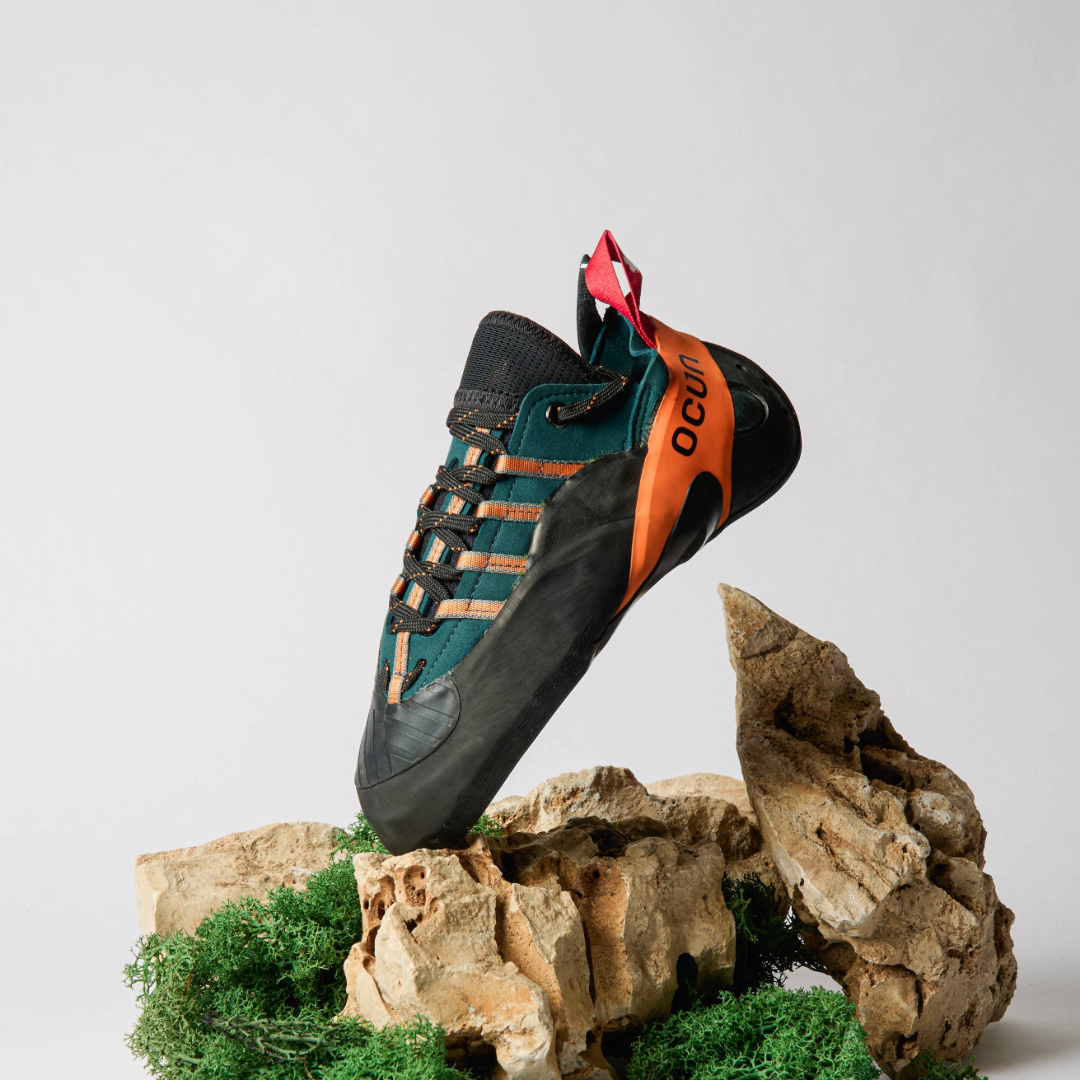
The lacing system you choose affects the type of wear you observe: shoes with laces are almost indestructible in terms of lacing, as long as you're not using them for crack climbing. When we make significant twists with our feet against the rock, cuts can occur, just as they can with any textile material in contact with a sharp edge. For this reason, for example, the latest TC Pro by La Sportiva has been designed with a super-resistant microfiber insert.
Velcro
With extremely intensive use, it can happen that the Velcro straps break. We've seen this scenario many times, especially in rental shoes for gym courses, but generally, this occurs with shoes that are already very worn out. If you find yourself frequently tearing Velcro straps for an unusual reason, we suggest trying a completely different lacing system to solve the problem.
Durability of Textile Materials
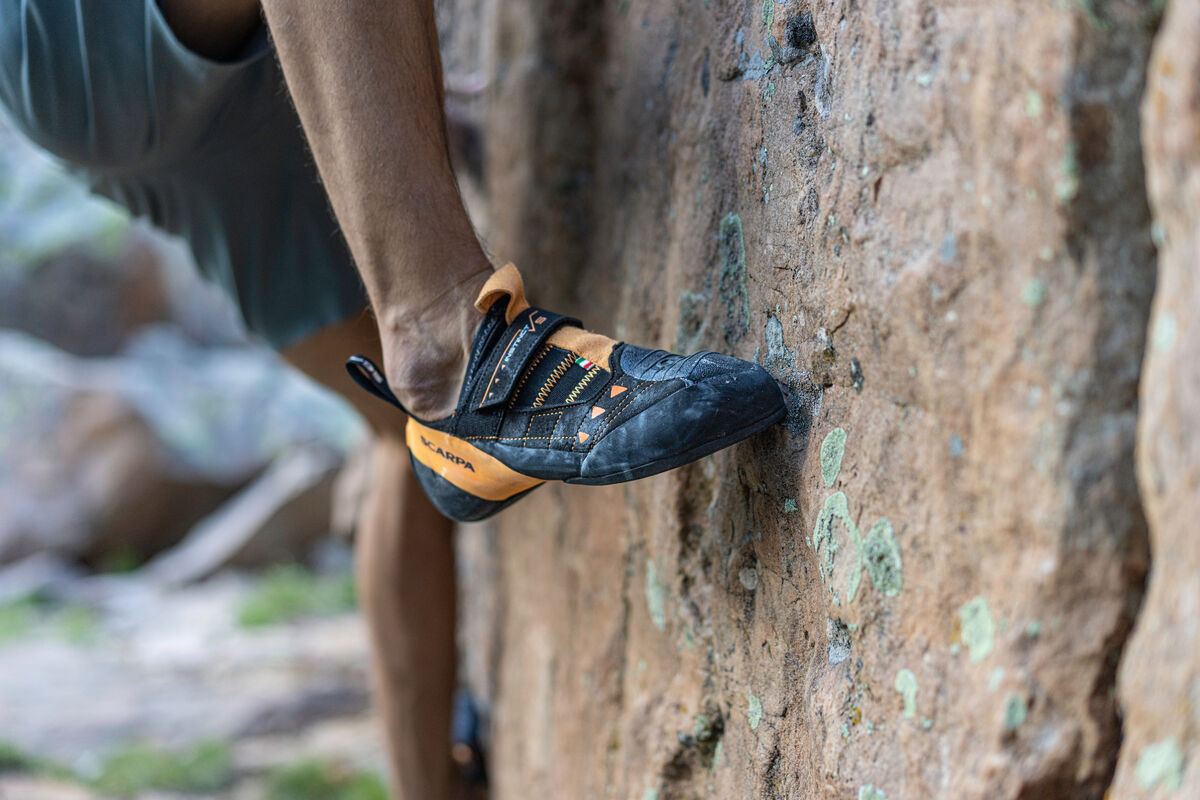
In general, we know that textile materials are the most vulnerable part of our gear, and their longevity depends not only on how often we use them but also on the type of activity we engage in and how well we maintain them. When we talk about "very intense use," we might mean two to three times a week, both indoors and outdoors: in this case, our experience suggests that climbing shoes can last intact for about one climbing season. With less frequent use, we can expect a slightly longer lifespan, keeping in mind that, aside from visible wear-related damage, there could be weakening of the tensioning or slight loosening in the fit.
If you want more information on how to choose climbing shoes, you can find our guide here; or if you already have a clear idea, check out our selection on this page!
Cover photo credits: Ben Neilson, SCARPA. Climber: Nathaniel Coleman.