
At our latitudes climbing in summer implies two options: either you climb along the mountain ranges, trying to compensate for temperatures with altitude, or you travel in search of destinations with less Mediterranean climate. In many cases, the real challenge is not only to find a cliff or a bouldering area where you can climb with decent conditions, but combine the need for a family holiday with the desire to touch a lot of new rock.
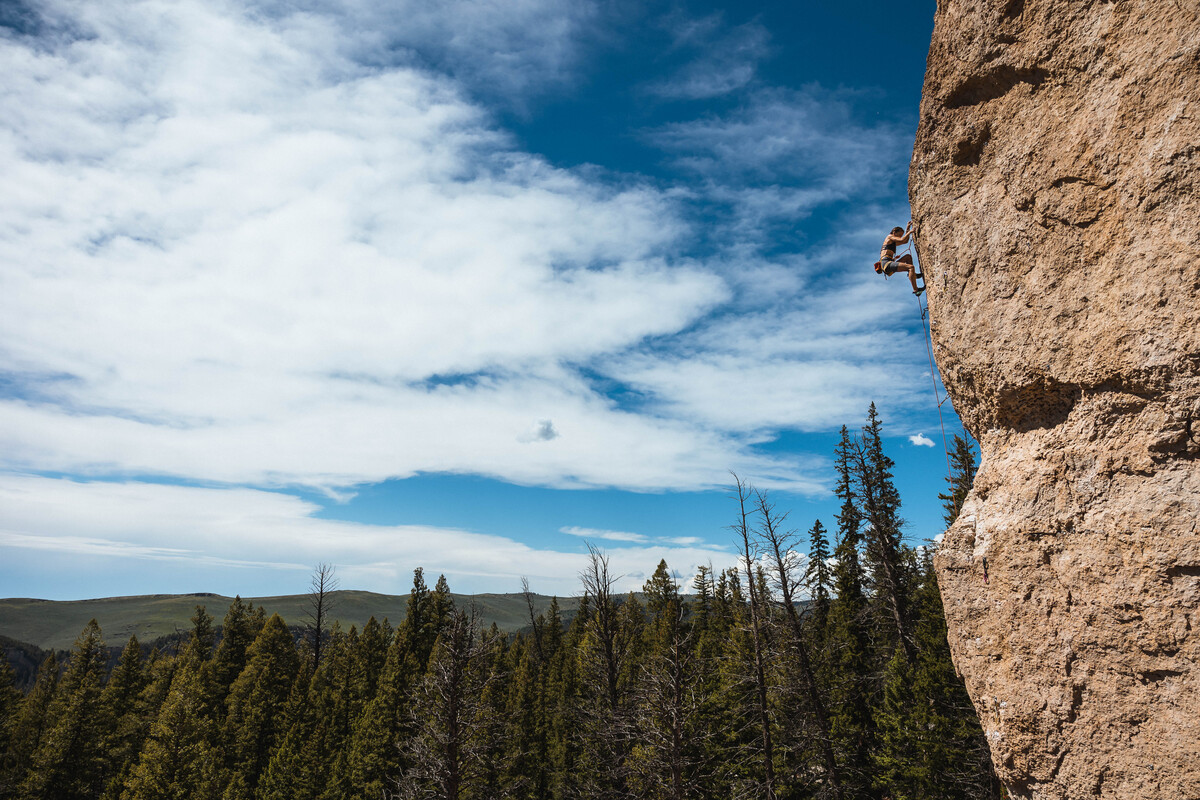
Lauren Batcheck, photographer Matt Burbach | SCARPA
In this sense, the "top climbers" often know how to show us the way: for them to find the ideal conditions for climbing is fundamental to succeed in the most extreme projects. Months permanently spent in Céüse, exploratory trips to Flatanger, an honorary residence in Magic Wood: European summer destinations are now familiar to everyone. Let’s find out more closely, maybe considering those options that give us "something more" to give our weeks of vacation even a semblance of vacation as well as pure climbing.
So here are five summer sport climbing destinations and five bouldering areas that we have selected, including here and there some destinations far away for those who are not afraid of long trips.
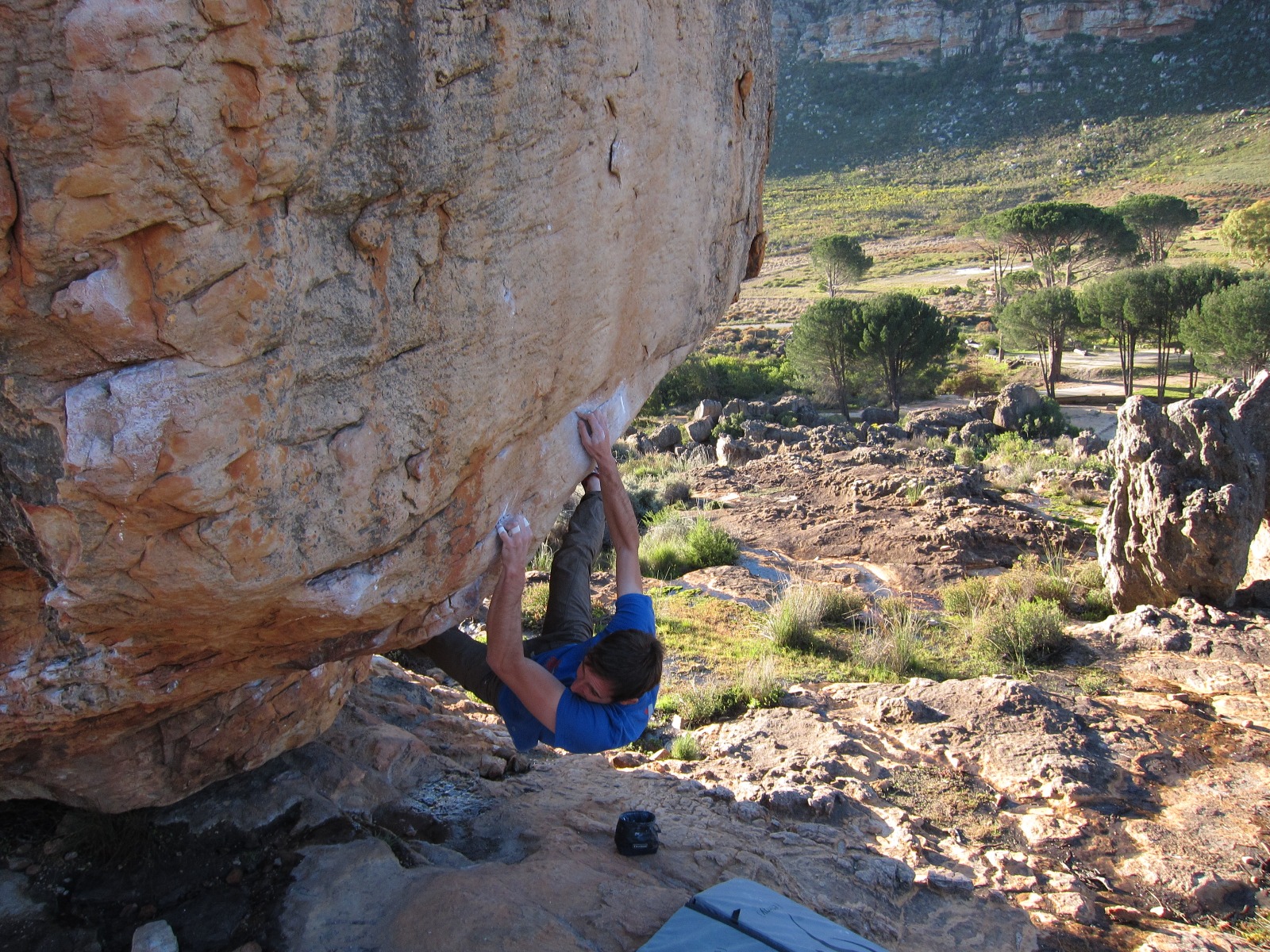
Rocklands, an unmissable destination for every "real" boulderer
Five sport climbing destinations
Every now and then some climber with a spirit of adventure leaves for northern Europe to discover the cliffs located farther north of our continent. But except for Flatanger, despite there are small realities scattered here and there, nothing offers you the concentration of routes of excellent quality and different difficulties that characterize the most popular destinations. If the boulderers can count on the alpine areas, and there are really many suitable for the summer, the fans of sport climbing are every year facing a big problem near the holidays.
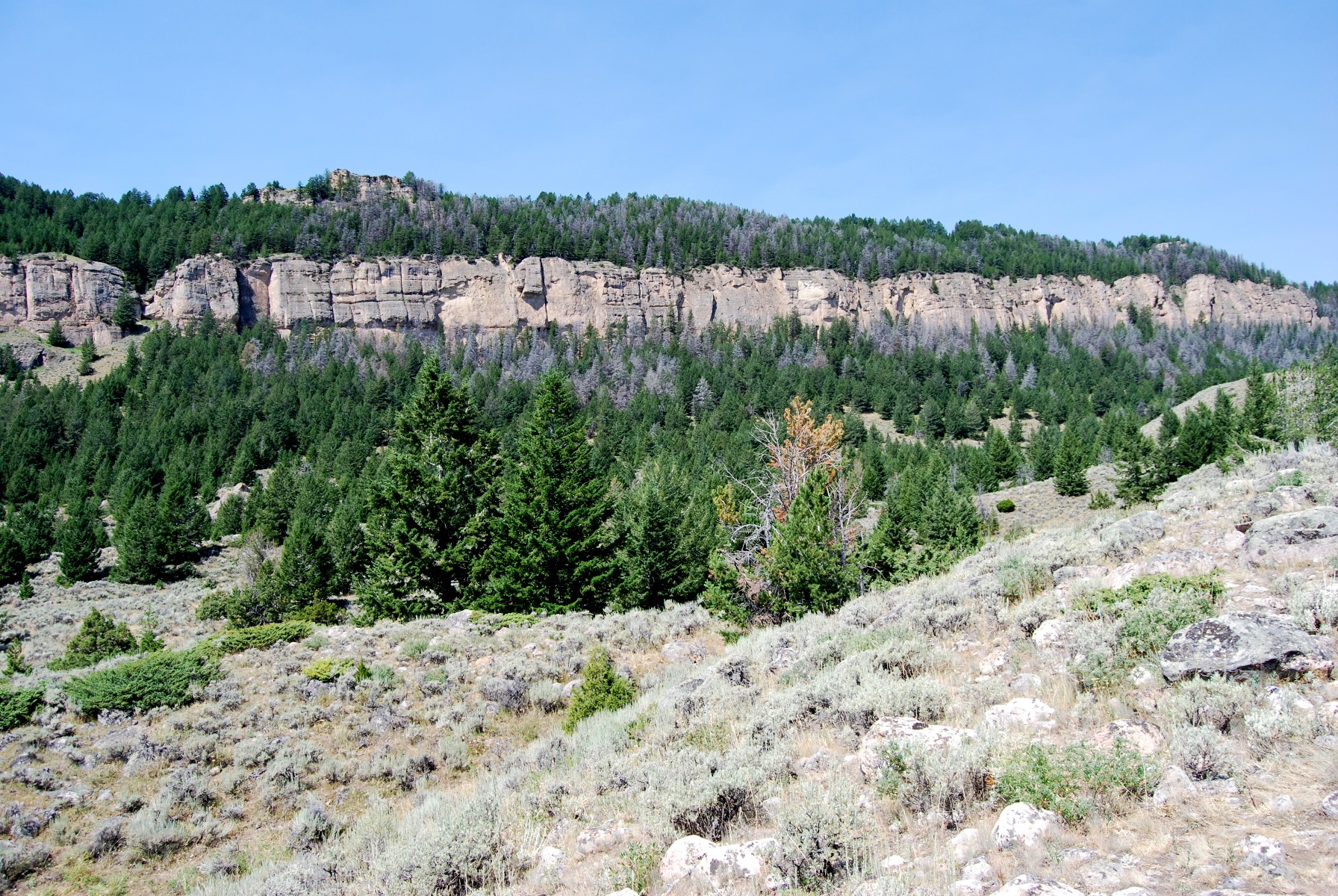
Thw well-knownTen Sleep Canyon crag in Wyoming
France | Cèüse
Like it or not, Céūse is a salvation for European climbers who cannot afford an intercontinental flight for reasons of cost or time. But it would be a bit 'unreliable to say that all climbers can not wait to test themselves on these routes: the fame that precedes the name of Céüse often involves some reticence, especially from those who would like to combine a few days of climbing with a holiday mood.
The typical day in Céüse works more or less like this: wake up and have breakfast with calm, a lot of calm, relax in the camping, approach in the early afternoon and climb between the early afternoon - when you can still warm up despite the heat of August - and the evening, making attempts on projects as soon as the sun passes behind the cliff. Climb until you have some energy left and return to the campsite with the headlight on. If you are one of those people who likes to get up and go climbing, then returning to the base just in time for an aperitif (more or less like in Spain in winter), you may not be comfortable with this rhythm.
The surroundings of Céüse - namely the town of Gap - are not particularly famous for the nightlife: the days of rest are often spent in the idleness of the campsite, also to avoid the pressing heat of the lower valley. Despite this, we have never heard anyone considering a logistical option that is not the stay in the comfortable campsite below the cliff: it is one of the rare places where you can avoid taking the car for days (we advise you to go up with as many supplies as possible). The path to the cliff that starts directly from the pitch of the tents is a luxury that only those who have been in very crowded places and wiht paid parking lots everywhere - like the Zillertall just for one - can really understand.
In short, Céüse is like this: totally five-star if climbing is ar the first place in your "to-do holidays list", a little lacking in alternative if you would like to reconcile the days on the rock with different activities.
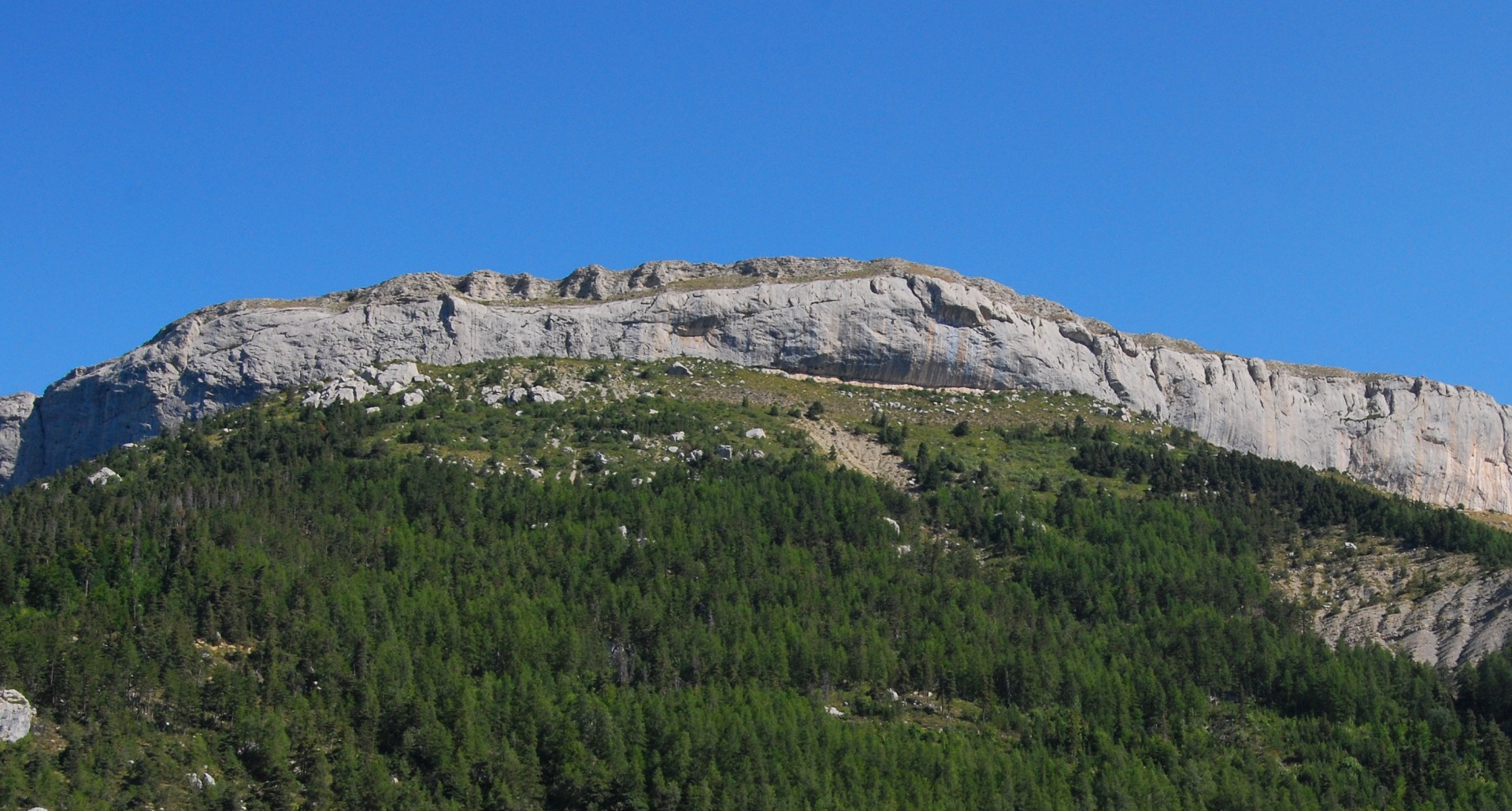
Amazing Céüse
France | Verdon
Classic family holiday destination, the Verdon brings together all different needs in a location just crazy. Unlike other destinations typically enjoyed only by climbers, just like Céuse, the Verdon welcomes fans of walking, paragliding, kayaking but also simply kids and people of all ages who want to relax enjoying breathtaking views. It goes without saying that this implies an inevitable aspect, especially in August: the congestion of bars, campsites and roads.
If however, you want to escape from the general chaos, the Verdon will give you ample breath thanks to less beaten crags which are not located directly on trek trails and far from - for example - the dreaded Tour of the Gorges. Beyond the long routes that are symbolic of the Gorges, and to climb which you will need a good period of "setting", there are many smaller crags with single-pitch sport climbing routes, some of them shade-oriented or otherwise enjoyable in summer.
Verdon is rarely an "absolute" destination: it is often part of a tour that touches different areas of France or the North West of Italy. At a reasonable distance, about three and a half hours by car, there is also the whole summer area of Briançonnais with cliffs, long routes, bouldering areas at high altitudes and endless walks. Here, especially in the area of Ailefroide, there is always an extremely relaxed air and the climate is so dry that even the hottest temperatures become manageable.
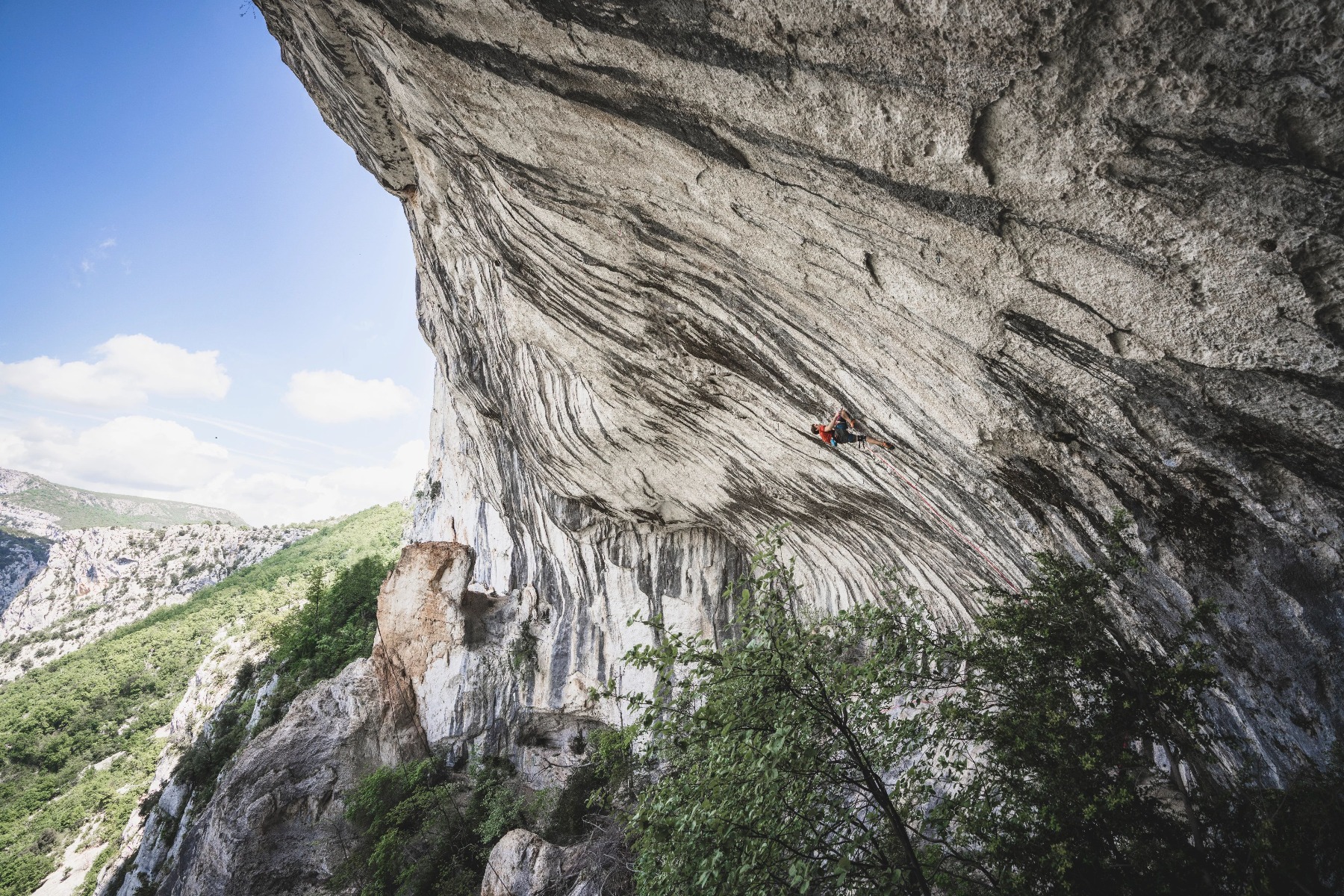
Seb Bouin on the super hard DNA - Gorges du Verdon, credits to Christian Adam, Black Diamond
Austria | Zillertal
We named the Zillertal, so let’s talk about it: this valley is a very popular summer destination among European climbers. Its strengths are the variety of climbing disciplines that you can practice within a few kilometers (bouldering, sport climbing, long and trad routes), the beauty of the landscapes and its adaptability to a family dimension. And no, we didn’t include the weather.
It is true that in our collective imagination in Austria always shines a clear sky with the wind that makes the fir trees sway, but the reality is more similar to the weather that knows well who lives in the middle valleys of our Alps. Widespread instability, thunderstorms, high levels of heat and humidity especially perceived in the afternoon. If you organize yourself in order to climb in the morning, and if you also encounter an undisturbed high pressure window, you can absolutely see magnificent places, climb on excellent rock and enjoy a beautiful "Germanic" climate between spas, bretzel and parks in the woods.
Surely you will have to arm yourself with patience and good organization: as we said the Zillertal is a very busy valley, whose protection passes through alternating direction tunnels (often due to long queues), limited access to some areas (like Sundergrund, in case you want to do a bit of bouldering) where those arriving first will find a place and the others will change the plans for the day, and paid parking lots everywhere. From the point of view of logistics, you will have a bit of every type of accommodation, but we sincerely advise you to take a look at the weather if you are considering a tent holiday.
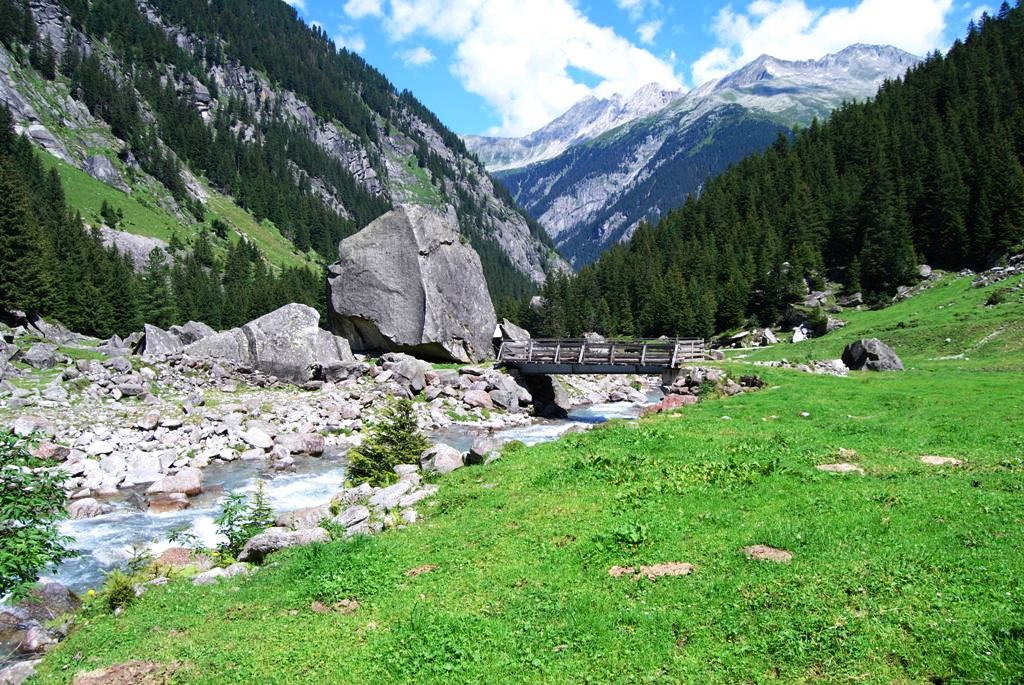
The green field in Sundergrund
Germany | Frankenjura
The same is true for the Frankenjura in Germany: however, as many climbers can't have two or more weeks of vacation in September or October, they usually surrender to the only alternative, that is to visit Frankenjura crags in the middle of summer. Climbing here in August is realistically possible with a spirit of adaptation and not too many pretensions: of course you will leave with an extra dose of magnesite available and will look for the sectors more immersed in the vegetation of all.
Perhaps because of the size of the area it covers, in Frankenjura climbers can scatter between the various sectors - never giving the idea that a lot of climbers are in the same area at the same moment. Similarly, parking are never complete and you will almost always find a place in the campsites without having to book well in advance. The typical forests of this region offer walks and opportunities for recreation in nature for the little ones and the Nordic-style towns are a cluster of small unmissable pastry shops, bakeries and Gasthof that will make the whole family happy.
Needless to say, here you will find some masterpieces of climbing history such as Action Directe, which deserve to be admired even just "out of curiosity": they can often be reached with a short and pleasant walk through the trees. The rest days will flow quickly between lakes, characteristic villages, nature excursions and parks surrounded by greenery; and if the Atlantic disturbances seem to want to ruin your holiday, you can always go to one of the most mythical climbing gyms ever: Café Kraft in Nuremberg, a short hour’s drive from Pottenstein.
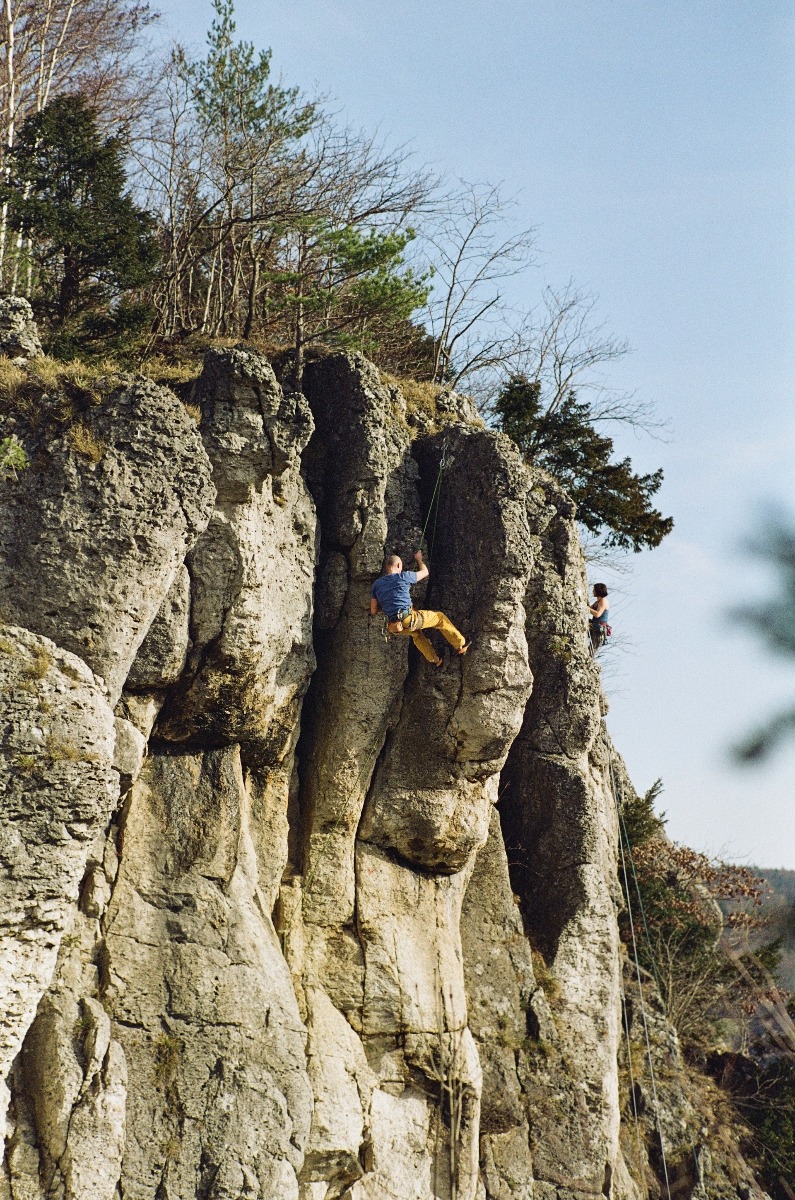
Frankenjura, creidts to Markus Spiske
U.S.A. | Wyoming - Ten Sleep Canyon
We could have gone on with the countless crags of Northern Europe such as the Swedish area of Bohuslan, the "top of the range" Flatanger or the whole area of Gothenburg, full of small crags that can worthily fill a holiday of a couple of weeks. Given that all these options represent in fact excellent alternatives for the summer, we decided to talk about a climbing area which is less popular here in Europe, but that is highly appreciated in the United States: Wyoming.
We are in the middle of summer, this is true, but we are in such a dry climate and with an exposure so "propitious" that, despite the heat, it grows to climb very well from spring to autumn. The season "is activated" when the abundant winter snowfalls melt to leave free access to the road that leads into the canyon of Ten Sleep. Of course, a trip to Wyoming is much more than a climbing trip.
We are in an area rich in Ghost Town, where the landscape reminds us in every corner of the book covers of Steinbeck and where the difference with the most crowded areas that we will probably include in the trip, such as the Yellowstone Park for example, is evident. Here climbers are the protagonists of a summer repopulation of the town of Ten Sleep, where everything reminds us of the best American western films and which has no more than 300 inhabitants during the rest of the year.
Rock climbing takes place on a limestone of excellent quality and a total of more than eight hundred climbing routes, with plenty of choice on easy and intermediate grades. The walls are almost always vertical or slightly overhanging and require technical climbing with excellent footwork. If you’re planning a different kind of trip, we recommend taking a look at the many American climbing sites in the area. Absolutely obligatory to sleep in the ranches in Western style and... watch out for the rattlesnakes!
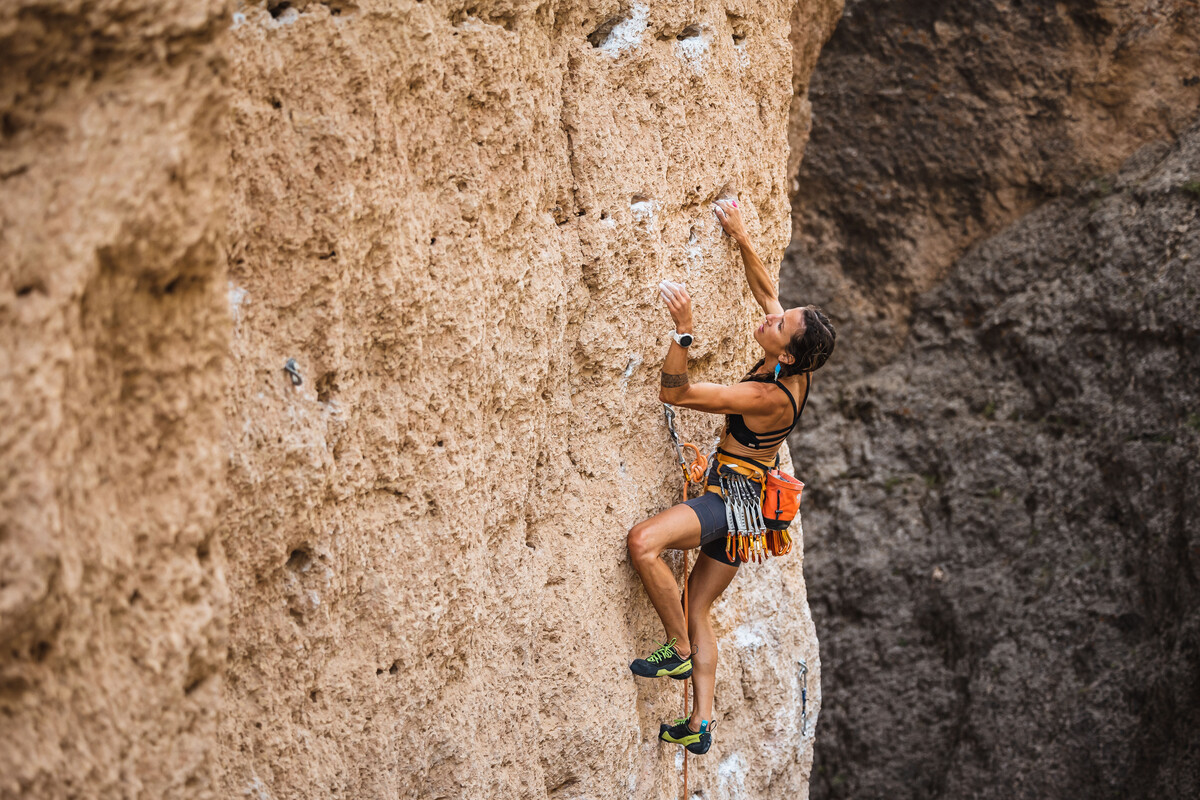
Lauren Batcheck at Ten Sleep Canyon, photographer Matt Burbach SCARPA
Bouldering areas
Summer usually leads boulderers to a unique solution for Europe: alpine bouldering. Unlike cliffs that have a well-defined orientation, boulders have more climbing faces and it is difficult to define their seasonality according to their orientation. Better to play it safe and proceed using other criteria such as the altitude at which they find or their complete immersion in the vegetation that ensures shade and fresh air. Or you can change continents to "chase winter" when it’s summer here (as a famous bouldering video had been named).
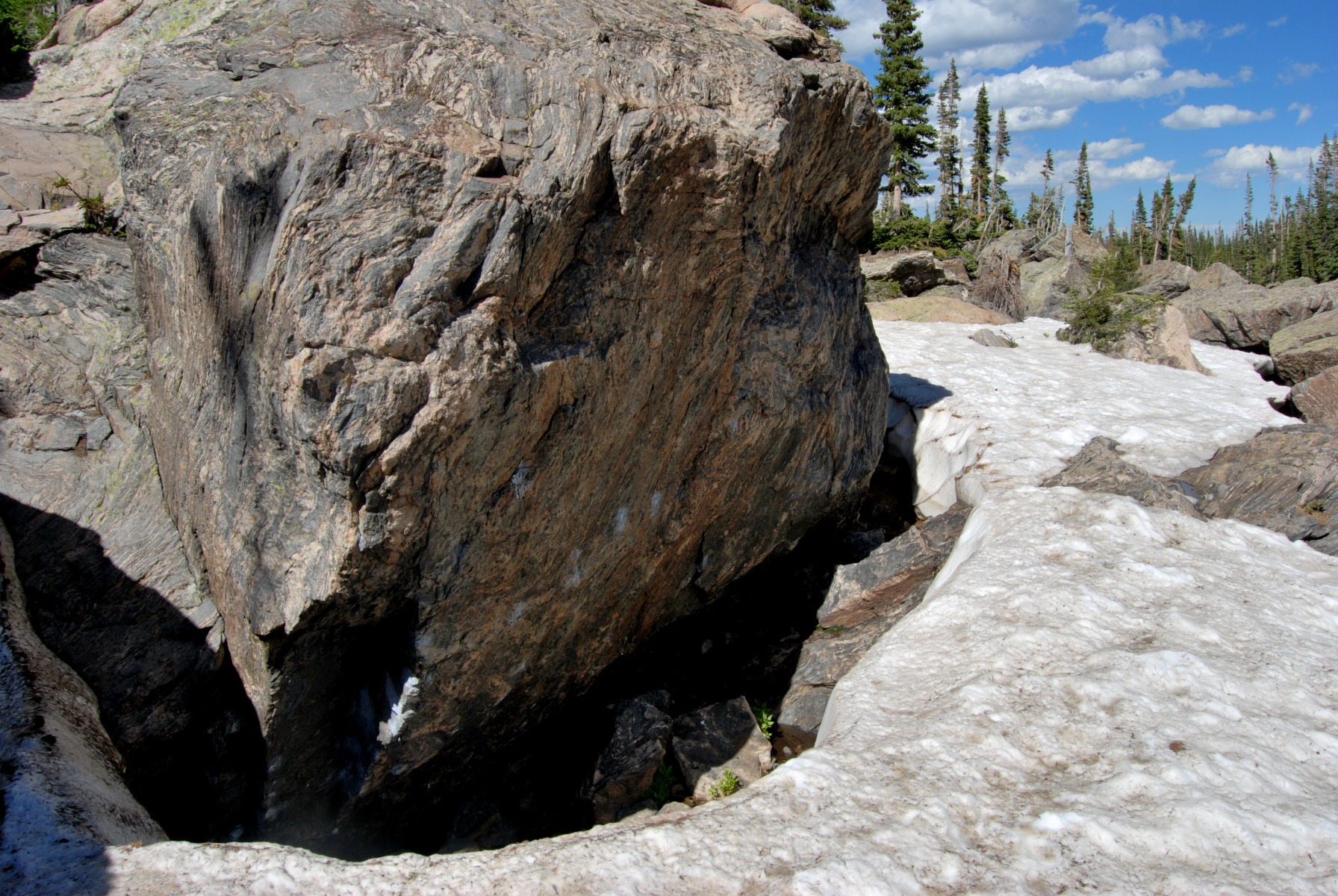
Rocky Mountains National Park boulders can be covered with snow also in August
South Africa | Rocklands
It is the number 1 destination for anyone who wants to go bouldering in August and not only for the good conditions you can find in South Africa: Rocklands is Rocklands, an expanse of boulders as far as the eye can see, a rock that seems to have been created for fun climbing, overhanging, on generous holds. If you’ve thought at least once in your life, "Why should I train two-handed dynos if I only climb on crimps?", you must go to Rocklands and experience the thrill of super dynamics on real rock.
An important aspect of Rocklands is that it entertains everyone, beyond the level of difficulty on which you climb: the "easy" steps are just as beautiful as the most famous and recurring ones in the videos, the roofs have excellent holds that allow you to get used to these inclinations without too much difficulty, and the rock is at times a little bit fragile and at times very solid. What you do not expect on a trip to South Africa is that even here the rain can get to mess up your plans: our suggestion is to climb to the limit as long as the skin allows you to do it and to match the days of rest with those of unstable weather.
The weather you can find here in August has remarkable temperature variations, which lead you to put on the duvet when you leave the house in the morning and then to climb in short sleeves during the rest of the say. The disturbances can also be strong, so don't forget to bring with you a good rain or windproof jacket, blind confidence in the weather and organizational plans that can adapt without too much inconvenience to changes over a single day.
Rocklands is in continuous development and we suggest you to ask more info to the "super locals", that is to say the small number of climbers who can afford to spend here directly all the summer months. They can update you about new developed sectors and old closed sectors, access with restrictions, permits and paid parking. Yeah, that’s right, paid parking.
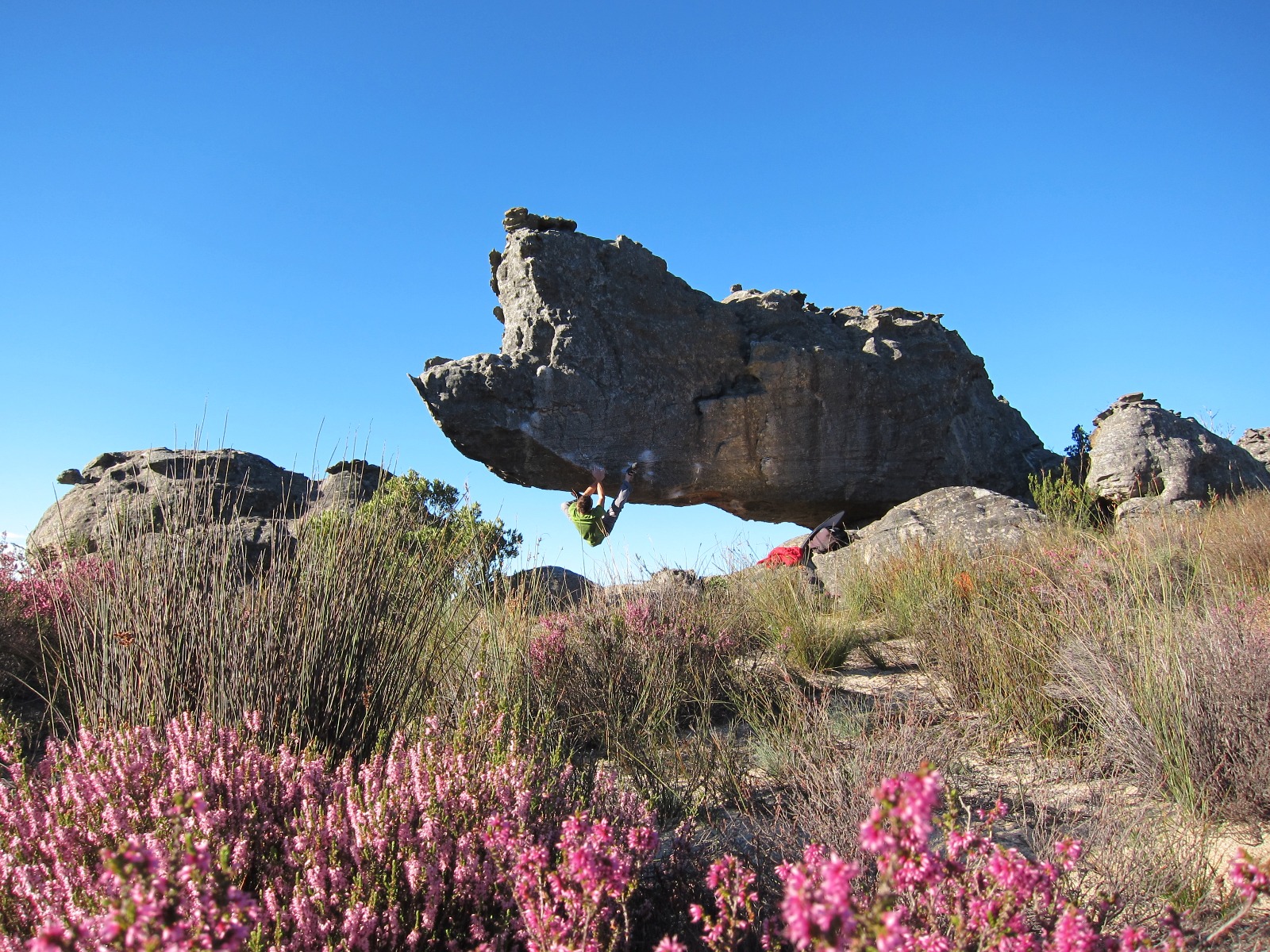
Rocklands bouldering
U.S.A. | Rocky Mountains National Park
If you want to make a proper climbing journey, one of the best options is the Rocky Mountains Park in Colorado. In many ways it is the opposite of Rocklands: the logistics are quite complicated, boulders are far from the parking lots and they can also be far apart from each other and the vastness of the area leads climbers to distribute themselves so much that you will have difficulties in meeting some other boulderer to ask for information.
The starting "point" is "THE" city where everyone would like to live, Boulder, a concentration of mountain enthusiasts and breathtaking views of the mountains that will make you fall instantly in love this area. Here is the famous "The Spot" gym where you can rent extra crash pads for your days on the rock. Depending on the bouldering areas where you want to climb, you will have to leave your car in the huge parking spaces indicated in the guidebooks, and then take advantage of the shuttles that will help you to reach the approach hikes. Once you reach the path that takes you among the boulders, you will almost always have at least an hour of walking to deal with: the setting is so beautiful that you will not realize the time that passes.
The climbing in the Rocky Mountains is, compared to Rocklands, more similar to the one you can find in our Alps with crimps, slight overhangs and edges. The difficulties are often very severe: your first days here can be devastating. Although the weather is generally dry, we recommend you to always pay close attention to the weather forecast, as thunderstorms can form very quickly - especially on humid and warm days - and they can be really powerful: considering that you will be more than an hour far from the car, always count on having a good "room for maneuver" before you find yourself with a black sky over your head.
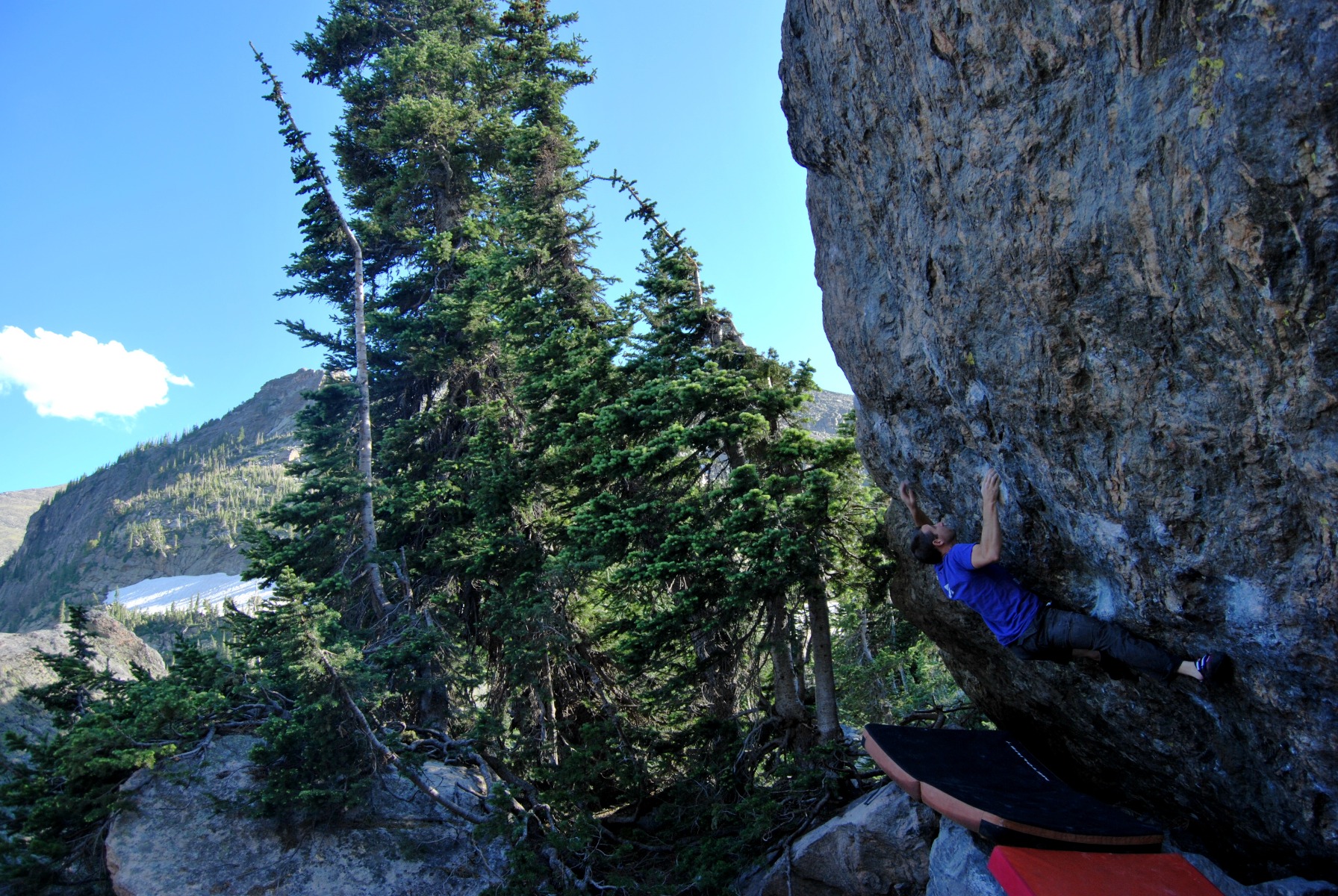
Rocky Mountains National Park
Switzerland | Magic Wood
For all the boulderers who prefer to stay "near home", that is in Europe, Magic Wood is the must-to-be destination that has gained more and more success over the last decades, switching from being a wild location to a well-organized destination, with a camping and a hostel managed by climbers. For many reasons Magic Wood is still considered a "particular" location that is appreciated in particular by those who come here for a full immersion of climbing, performances and low cost life, a little less by those who want to live a "holiday" of wider scope.
Anyone who has been coming to Magic Wood "for a few years" (that is, more than ten) has seen the Edelweiss structure evolve from a classic Swiss Brauerei with beers and local specialties at stellar prices to a real "climbing house" the moment it was taken over by Bodhi Climbing. In addition to having hostel-style rooms and different solutions for each pocket, it is a real "refuge" for rainy or rest days, where you can sit down for a coffee, taste a slice of homemade cake, read climbing magazines and relax on cozy sofas. It is a one hundred percent authentic place run by climbers for climbers.
Climbing at Magic Wood needs no introduction, the videos of the strongest climbers in the world have toured the continents, bringing in fact many international boulderers visiting these bouldes. You will meet strong climbers of all nationalities, famous names and phenomena not yet known: a holiday at Magic Wood is always a nice boost for your motivation to give your best.
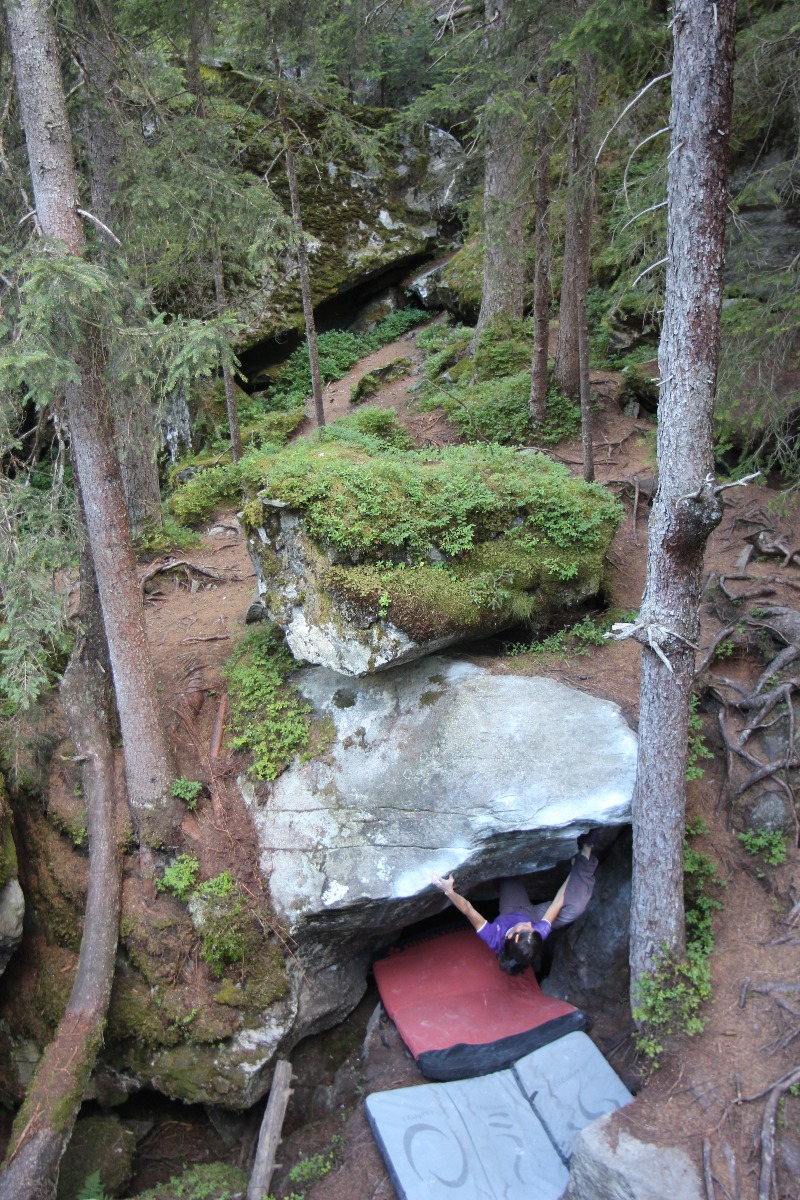
Magic Wood
New Zealand| Castle Hill
Castle Hill is probably the furthest destination from us to go bouldering, the one that requires more intercontinental flights and a well planned logistical organization, including visas and permits. But, being on the other side of the world, it also has the indisputable merit of being in the middle of winter when in Europe we are in the middle of summer. If, among the many positive sides of Rocklands, we have the advantage of being in the same time zone, a journey to Castle Hill can require you some days to recover from jet lag and to figure out at what time of the day you are.
That said, the setting of the most famous areas is amazing and we do not need additional opinions by local climbers to realize how much is a largely undervalued area. If it never risks being a crowded destination like any "medium area" of Ticino, besides the distance we can imagine that the cause of the low turnout could be the implacable sun from which you can not shelter in any way and a discreetly slippery rock.
In some ways it kind of reminds you of the slippery feeling of some very famous Buttermilks passages in Bishop, and the difficulty we all have in trying to load the weight onto the sun-reflecting supports, and how it can be destabilizing at least in your first days of climbing. And here you will not find boulders with generous grades, or better.. the first feeling you will have is probably to be seriously iin trouble when trying to deal with grades that you usually master very well when you are at home.
The beauty of Castle Hill is the ruggedness of its landscape, the remoteness from everything vaguely familiar and the immensity of the landscapes that surround you. Of course, if you decide to take a holiday here you will want to combine bouldering with exploring other areas of the country, which will make your journey definitely more complete and unforgettable. Many updated websites tell us more both about the bouldering areas and everything you can do in the surrounding areas. They can also be considered as a great starting point to get in touch with local climbers and gyms. You can have a look at Castle Hill Basin and Little Grunts.
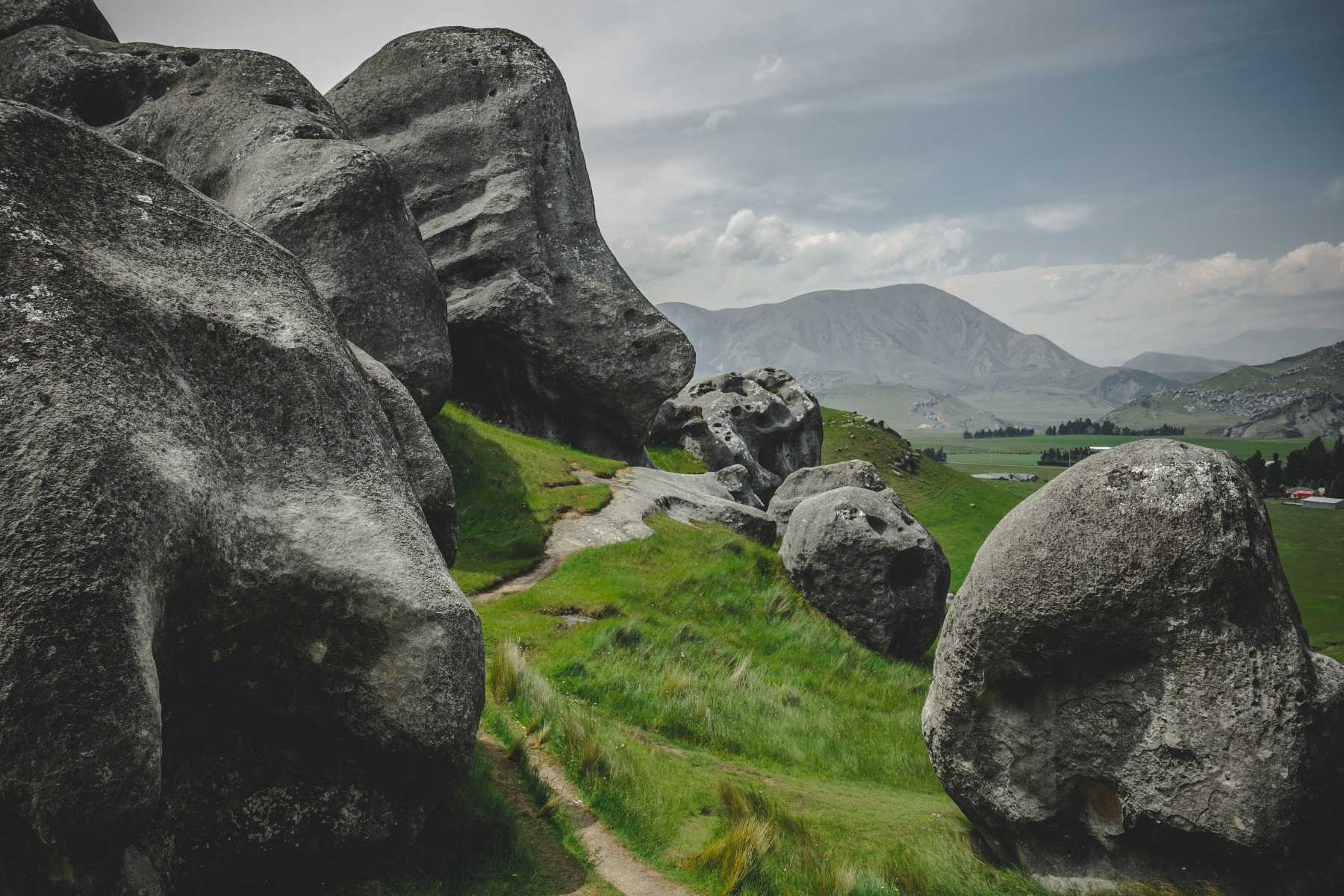
Castle Hill Boulders, photo by Andre Bernhardt
Canada | Squamish
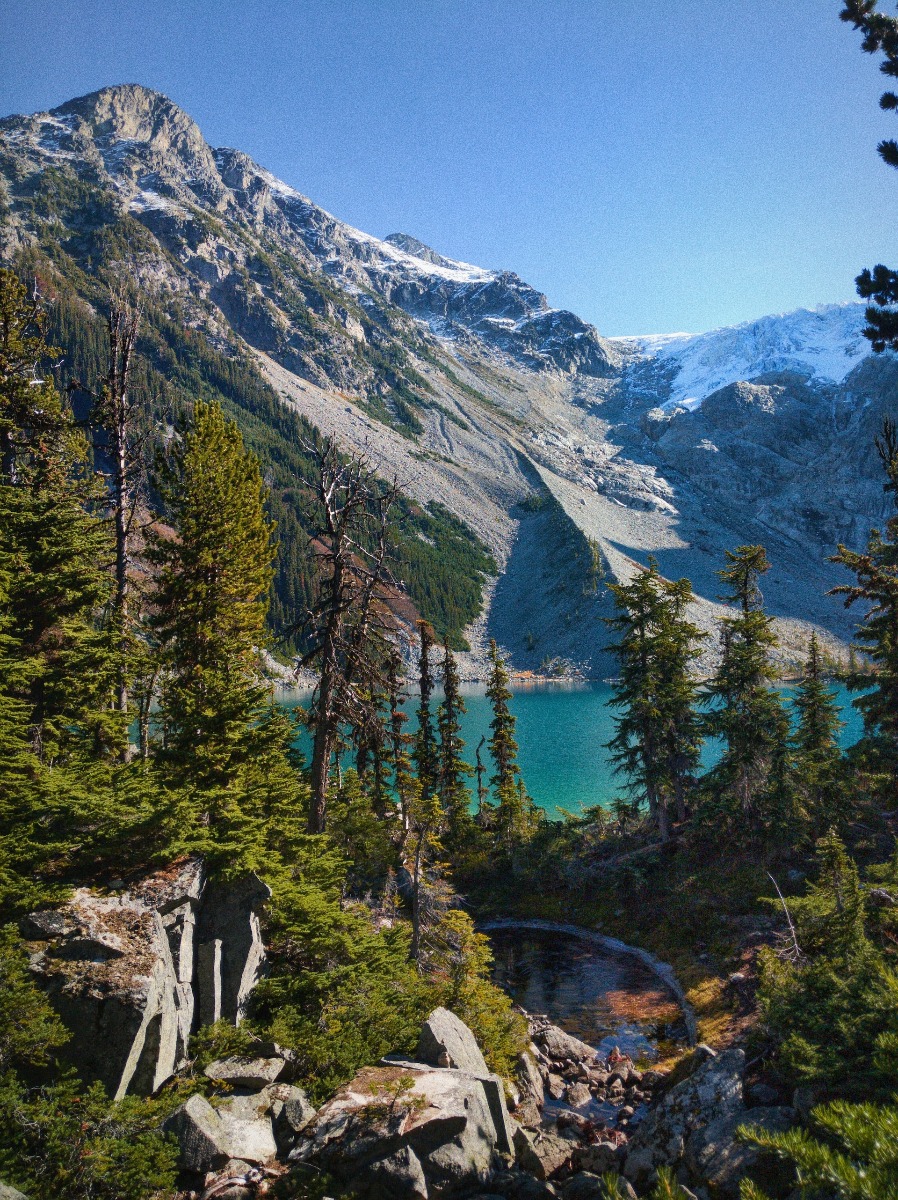
Squamish is a real dream for many climbers, "the" bouldering mecca (and climbing in general) for Canadians, which is always a bit too far and expensive for many European climbers. Despite this, the crazy nature that surrounds it and its predisposition to practice any sport you can think of makes it a must for anyone who loves the outdoors.
The fauna is what we are used to seeing only in the most evocative images on Instagram: eagles, bears, raccoons, rattlesnakes and so on. The rock is granite, so the one most widely appreciated for bouldering. The boulders, often imposing, have incredible structures with roofs, and edges that will delight boulderers who like physical style. The dense and fresh vegetation that protects them from the sun and the higher temperatures we are used to in Europe, will make you forget you came here in the middle of summer.
The guide, constantly updated, now lists more than 3500 problems of bouldering, among which you will easily find the most congenial for you. The area, as we can imagine, is immense and it is divided into many sectors, often far from each other; from the most panoramic with views of the waterfalls, to sectors with a significant concentration of passages, from the immense area of the Grand Wall to the most remote Paradise Valley, the truth is that here are boulders to try for a lifetime. If you want to know more, have a look at Squamish Bouldering.
Landon Parenteau


