
Many of the European alpine valleys are scattered with boulders that have led to the enhancement of summer bouldering: Furkapass, Sustenpass, the Gotthard, Silvretta, the area around Chamonix and Mont Blanc, the smaller areas of Branson, Fionnay and the area around Zion, Ailefroide. But none of these areas has ever had a peak of success among boulderers like the undisputed one that Magic Wood has had for years.
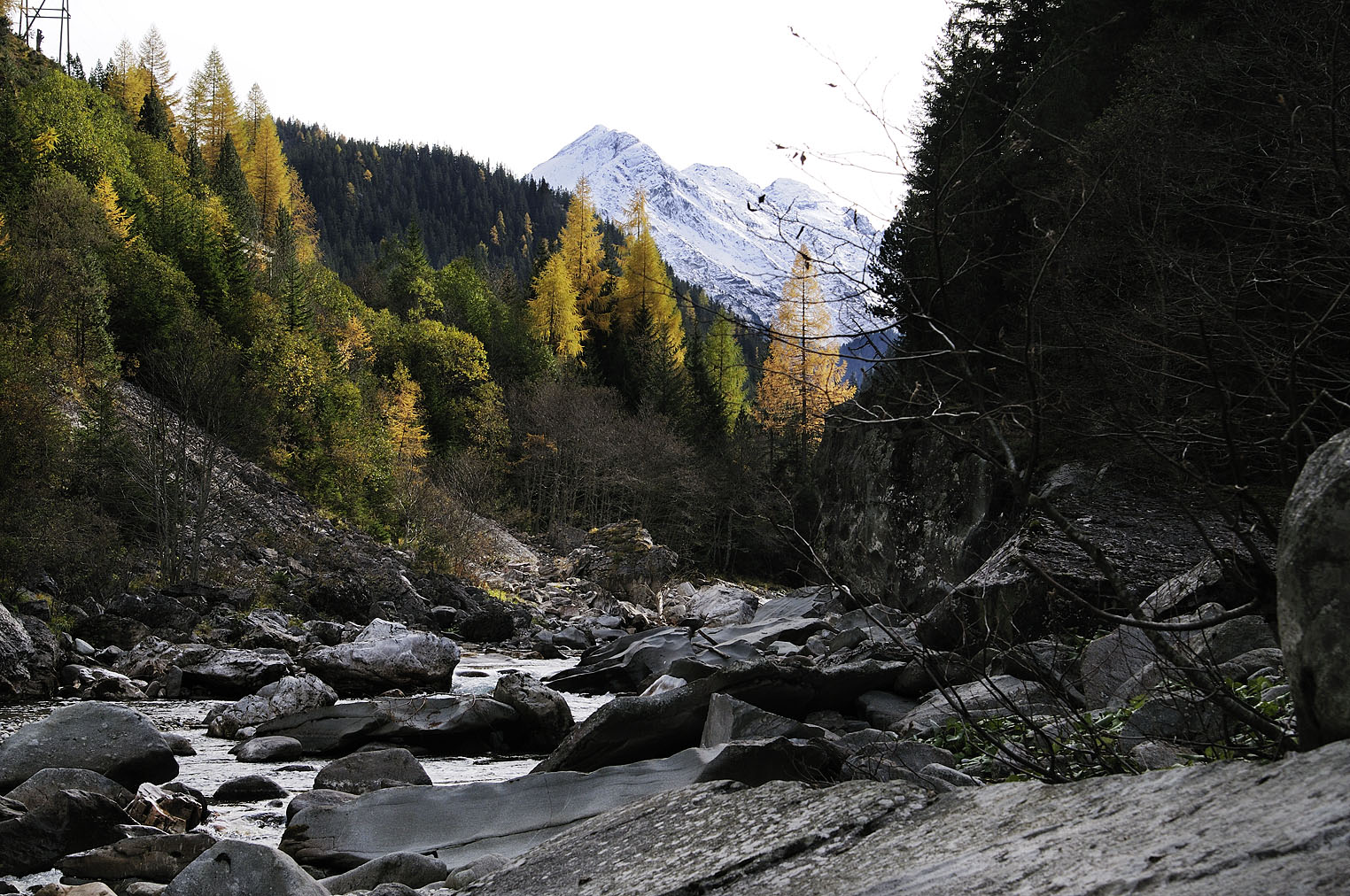
Credits to Gebro Verlag
The secret of Magic Wood’s success
If Magic Wood is the reference for European summer bouldering, it is thanks to a combination of factors that have made this destination an almost obligatory choice for many climbers. The concentration of boulders, the beauty of many lines, and logistical simplicity (two parking spaces to reach the boulders in the area more downstream or more upstream, a short walk to get the first blocks, etc.) have played their part in the extraordinary development of this area. Last but not least, we could also say that there are many blocks with passages of high difficulty, some of which are accompanied by the fame of being "soft for the degree" (not entirely true) and the magic is done.
The strengths of Magic Wood
In fact, in addition to the clichés that often precede the very name of Magic Wood, the aspects that have made this area the reality we know today are much more heterogeneous. First of all, many alpine areas, although at high altitudes, are still very sunny, a factor that becomes challenging if for us "holidays in summer" is more synonymous with "August" than "late June". Magic Wood is instead pleasantly immersed in the woods, as the name suggests, with interesting cold air currents that emerge suddenly from the holes in the rock and in the ground. Developed by a strong local community of climbers, Magic Wood has grown over the years at the level of both bouldering and accommodation facilities thanks to the investment, including the personal investment of Thomas Saluz, known by all as Bodhi Climbing.
It is thanks to his commitment that they have always tried to find a diplomatic solution to the various disputes with local institutions (still very strong), and it is always thanks to him that boulderers from all over the world have gone from being able to enjoy the wildest camping in Europe (without toilets and drinking water) to having different possibilities of accommodation (a campsite with bathrooms, showers and hot water, a guesthouse, and more expensive solutions). Today the Bodhi Climbing Guesthouse is a characteristic meeting point for boulderers looking for a slice of cake, shelter from the rain or wi-fi.

Dave von Allmen su The Knowing, 8b. Foto Lukas Rüsch
The environmental impact
Before we go into the merits of climbing at Magic Wood, we would like to focus on the environmental impact of these numerous climbers in this area. For about twenty years boulderers of all nationalities, ages, and levels are among these boulders to spend, in some cases, whole weeks or months where pure climbing is the focus of their trip. Initially, as we said, there were not even bathrooms in the camping area (chemical toilets have been introduced from a questionable level of hygiene and, only in the last ten years, concrete bathrooms with all the comforts of the case), and there were no bridges: instead, you had to cross the river via a steel cable, harness and steel karabiner. This initial lack of facilities was perhaps the first cause of an unstoppable degradation throughout the area surrounding bouldering and camping.
The ever-increasing level of services made available to boulderers has not been sufficient to curb what has been a lack of interest in respecting nature in all its forms, so much so that many Italian and foreign climbers with a greater sensitivity to this issue continue to raise the issue of the environmental situation at Magic Wood. Bodhi Climbing, and with him all the climbers who care about the future of accessibility to this area, have over the years promoted initiatives and awareness campaigns such as the Clean Up Day and the writing of several articles about it. Today the consequences of the little interest in the impact of climbers in this small paradise of bouldering is visible at different levels: in crash pads abandoned under boulders, in the waste that in general we find scattered everywhere, in the corners of "toilet" and in many tricks that have now irremediably lost their initial grip. Only with the utmost attention from each of us can we try to keep this wonderful forest at a level of "decent" accessibility.
Climbing in Magic Wood
And let’s move on to climbing! The boulders are of a beautiful gneiss not too abrasive, although obviously the quality of the rock and its shapes change depending on whether you climb near the river or higher towards the forest. The variety of climbing styles of Magic Wood is one of the most interesting aspects: crimps and slopers, traverses, overhangs, and dynos. As we said, the rock of Magic Wood is partly a victim of its celebrity, resenting in some points the passage of many climbers and becoming - in conjunction with wet weather – it has sometimes a bad grip.
If a few years ago it could be difficult to orientate yourself, and all the available info you had was a downloadable topò online with all the sectors concentrated in the space of an A4, today Magic Wood is present in many guides of Switzerland with the main areas and also boasts its guide Gebro Verlag now in its third edition. What used to be traces in the woods became marked trails with signs and names of the most important boulders and now losing orientation becomes difficult.
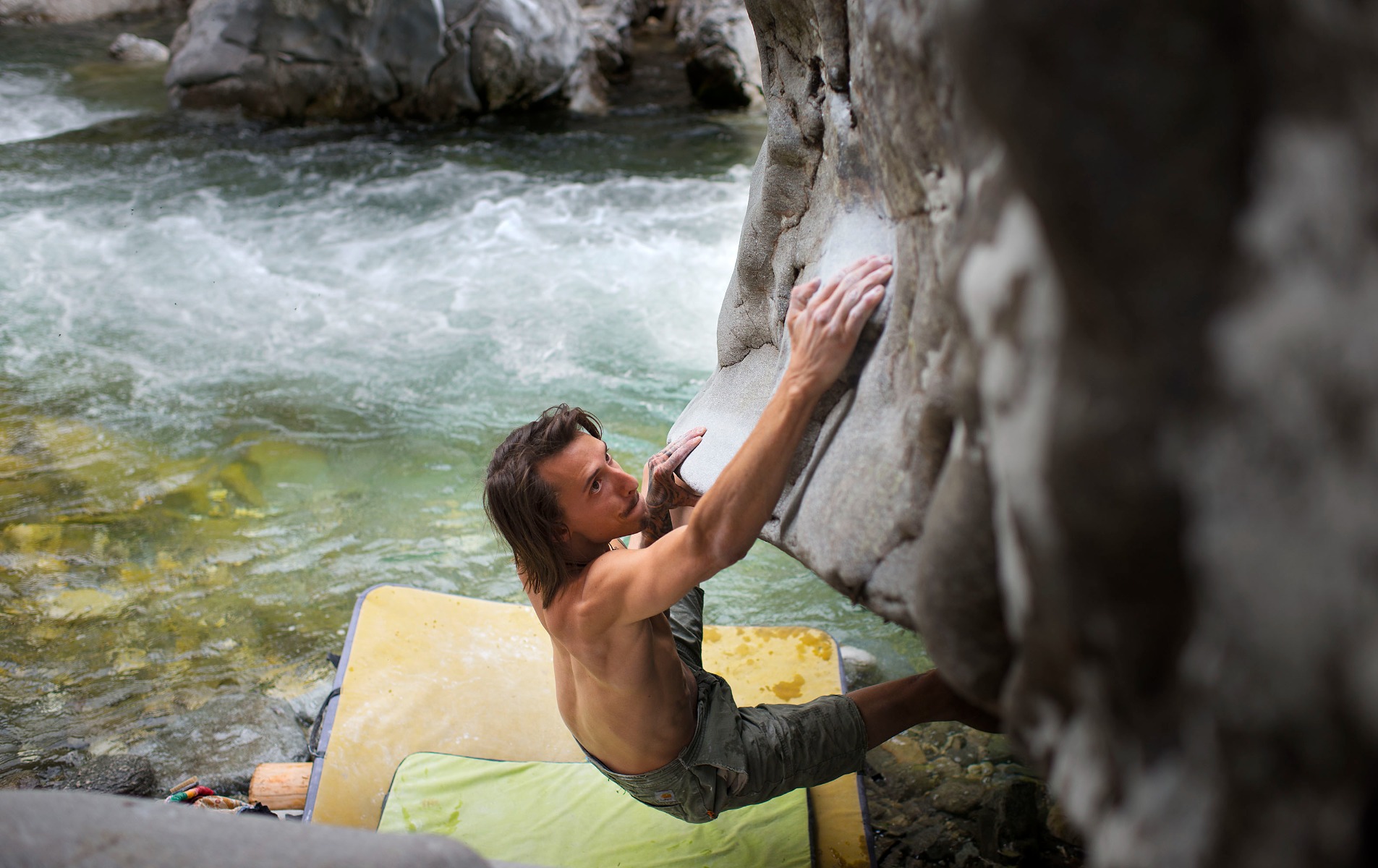
Remo Dünser su Sitting Pull, 7c. Credits to Lukas Rüsch
Easy or hard?
Since the early 2000s videos of strong American and European climbers have started showing on the internet the beauty of the most difficult lines of Magic Wood, with a unique abundance in Europe of passages from 7C up. This has led Magic Wood to gain a reputation as a destination for "top" boulderers, but in reality, it is an area with so many lines that anyone can come here and find their project to fight against. The most likely thing that can happen when you get to Magic Wood in the "hottest" months (both as a season and as a turnout) will not be not knowing which passage to try, but finding one that is definitely not crowded.
How to get to Magic Wood
Magic Wood is located near San Bernardino hill, in Averstal, a very green and often rainy valley. After passing Magic Wood, we reach the Guesthouse of Bodhi Climbing in Ausserferrera, while in Thusis (going down through the main road) you will find the most convenient and close reference for making supplies of all kinds. Here in addition to bakeries, supermarkets, and small craft shops, you can also find other possibilities for accommodation, certainly less close to the forest of Magic Wood but more strategic in case you want to combine a holiday in this area with other needs of a family or tourist.
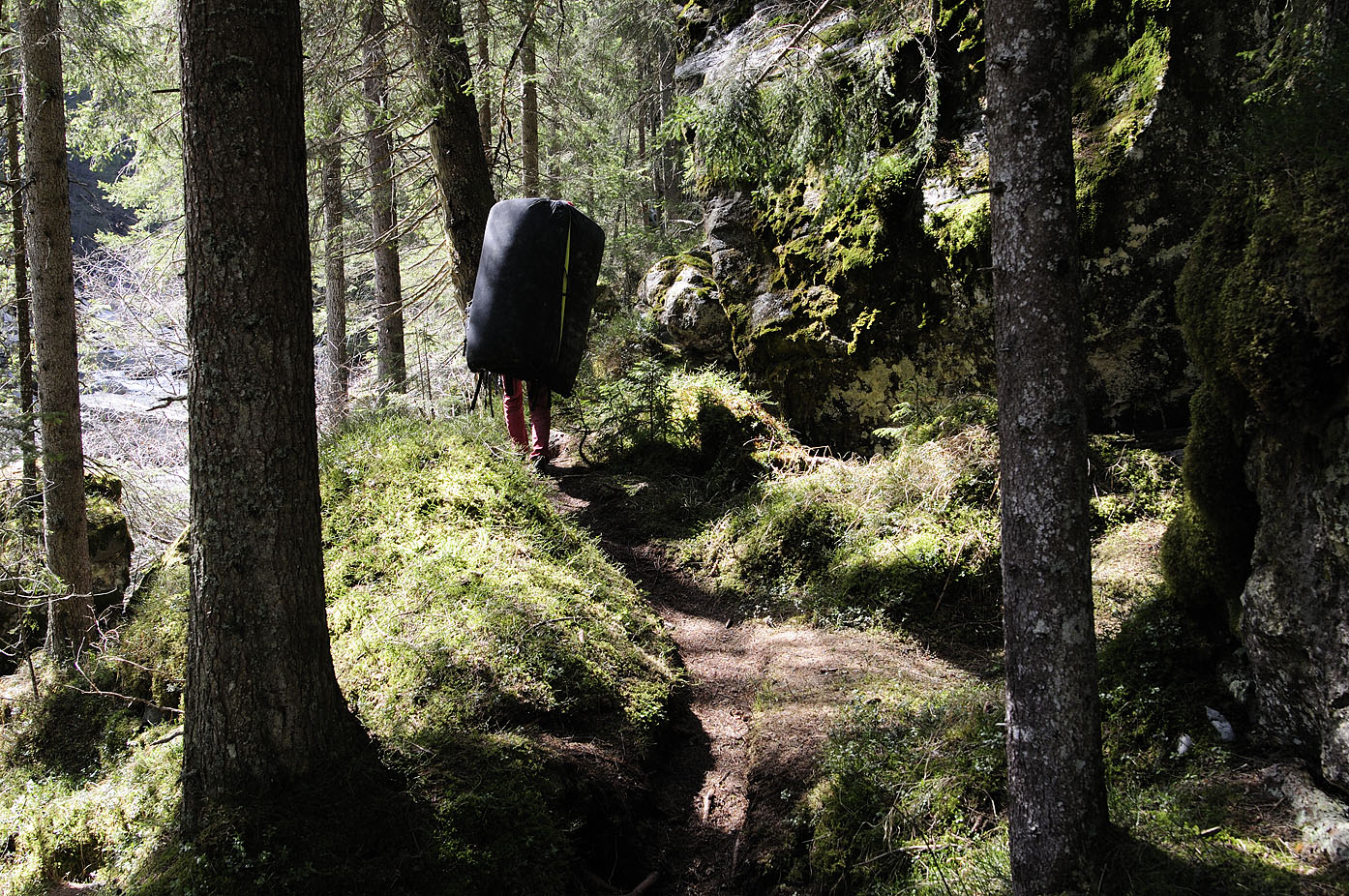
Credits to Gebro Verlag
The Seasons of Magic Wood
As already mentioned at the beginning of the article, Magic Wood is considered a classic "summer destination". The beginning and the end of the seasons where we can find the best grip, spring and autumn, vary depending on the amount of rain, the temperatures more or less rigid and your motivation to climb feeling the cold rock under your fingers.
Considering the general instability of the summer weather in these valleys, we still recommend that you take a look at the weather before leaving because often the rainfall is consistent.
Magic Wood as a stage
If you like the style of the "traveling" holiday, you can use Magic Wood as an intermediate stop within an exploration of all the Swiss and Austrian Alpine valleys. A couple of hours from the Gotthard Pass, but also a couple of hours from Silvretta and Sustenpass, is located in a strategic position enough to combine the visit of different areas with rather short trips and passages that can vary from the green forest of Magic Wood to the environments much harsher than the Alpine passes.

Markus Köcheler su U-Boot, 6c. Credits to Gebro Verlag
Cover image: Nico Secomandi su One Love, 8a, credits to Lukas Rüsch


